



One of the worst things we have done in moving from roving bands of tribal people to becoming “civilized nations” was our intentional step-by-step destruction of the integrated corpus of community and family. We created the concept of “orphan” – a child who belongs nowhere and to nobody simply because a biological parent died. We named this concept and then used it as justification to address the issues we had thereby created for ourselves. Those who held to the traditions long overwritten elsewhere in the process of “becoming civilized” don’t have words like this – children whose parents die are not “orphaned” – they still belong.
If you don’t agree that science is the basis for reality – you should run away now.
We started this sedentary and somewhat despotic decline about 12,000 BCE, when humans began viewing the territory within their field of view from where they camped and its resources as belonging to those camping upon that spot. The world was experiencing climate change – and that warming trend was causing the proliferation of grains spreading over an area – making the work of foraging for food much easier, even hunting was easier, for the other animals were content to remain in the area. When moving from place-to-place, there is no ability to safeguard the things that grow along the path of your journey. But, along with the decision to take advantage of the easier life where food is found nearby, came the belief that even that bounty might be depleted if too many others accessed it. Thus they envisioned and created the concept of “ownership” over land, the requirement to defend it, the necessity to retain control of it. Not yet fully settled, they treated this land as their exclusive hunting and gathering territory, named it, defined its boundaries, thus dividing up the world we occupied, and beginning fifteen thousand years of battles. They fought for control over resources within the named space, and based their imaginary perception of entitlement to control the resources found there on the fact that they were there – and their need to own justifies all the horrors that we inflict upon one another to this day. The Neolithic Revolution in BCE 8,000 was when we started to create permanent societies in the Fertile Crescent of Mesopotamia, China, Mexico and New Guinea, and cities-states developed from 4,000 BCE forward to become “nations” of established territories where the population banded together to defend their right of ownership and then began to reach for more, because they felt the adequacy of their resources were at risk. Horrific wars of conquest can be traced back to that timeframe.
I can say a lot about how we could draw that line to nearly every deadly imaginary problem that we created in defense of that original foolish, and ill-conceived notion of land ownership and nationhood – and how those problems and their contrived solutions eat away at the joy of life – and I probably will.
But for now, I want to draw the line from that moment of becoming sedentary and jealous beings overseeing artificially generated social constructs that created outcasts – to the destruction of social structures that are real and necessary for human wellbeing.
The opposite factor is our biology. We are built for family and community. It’s in our DNA – quite literally. Our species – “Homo sapiens” “thinking man” has existed in our current form for 300,000 years. The genus of man existed at least a million years before that. In all our evolution, an inherent survival mechanism built into our biology is the need for belonging. In order to have the resilience to think appropriately, to develop physically, to cope emotionally, we need to belong, and our biology attaches us to one another and to family as part of our human development, and it goes back further – to our animal development. Animals do not grow from the ground – and the more complex and advanced the animal, the longer its vulnerability after birth. Complex species of animals are born into families and communities where the young are protected. Our instinct as animals to survive requires us to form that sense of attachment – of belonging. I wish our empathy and kindness were generated from a spiritual plane – but truthfully, it is biology. We are kind to one another as an instinct to protect our belonging. But our physicality is also part of our biology – and it means that when faced with obstacles not easily overcome, we tire of striving and wear out. Greed and laziness are biological impulses to find solutions, just as the impulse to continue striving is a biological impulse. The strength of the press to continue striving is likewise coded into the DNA, as is the impulse for non-striving responses – and sometimes we can trigger that DNA with exposure to circumstances, or introduce the concept to strengthen a weak DNA. This is where the “thinking” part of our species is useful – without wise teachings, our greed and laziness that lead us to find easier ways of surviving can seem more attractive as they are short-term effective. Unfortunately, the are also long-term suicidal. They are poisons we inject into ourselves and into others that infect the entire species – and could ultimately poison us as well. We might not survive.
For those who know me, you know I am spiritual to my core. I believe we are created to do good, and that we constantly fight an impulse to do bad. I don’t see this concept of biological imperative as inconsistent in any way with that notion.
I want to focus on the history of orphaning children, its use as a social control measure, and how that measure is a self-destructive existential threat to humanity.
What follows is a cursory review of why, how and when we started systematically “stealing the babies” and creating the mythology of orphanhood that plagues us to this day. I will expand upon those topics in future articles.
I. Ancient Foundations (200 BCE – 300 CE)
Greco-Roman World


- No dedicated orphanages in early Roman Republic or early Empire.
- Care systems included:
- Extended kinship networks
- Patron-client relationships
- Legal adoption (often for inheritance)
- Infant exposure was practiced.
- Charity existed, but not formal child-only residential institutions.
II. Late Roman & Early Byzantine Institutional Beginnings (300–600 CE)
This period marks the first clearly documented residential orphan institutions.
1. The Orphanotropheion in Byzantium (4th–5th Century)


- Among the earliest known residential orphanages:
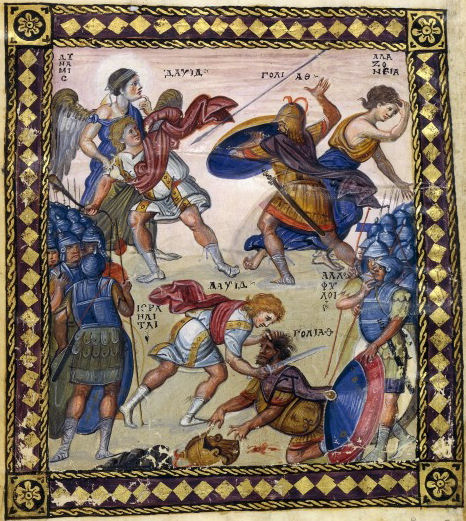
- The Orphanotropheion of Zoticus, established in Constantinople in the late 4th or early 5th century.
- Zoticus is credited with founding a residential home for abandoned and orphaned children.
- The term orphanotropheion literally means “nourishing place for orphans.”
- These institutions:
- Provided long-term residential care
- Were church-supported
- Became semi-official arms of imperial Christian charity
- By the 5th century, the Byzantine state had incorporated orphan care into broader imperial philanthropy.
Significance:
This marks one of the earliest clear examples of purpose-built, residential orphan institutions in recorded Western history.
2. China: The Guduyuan under Emperor Wu (521 CE)

- The first recorded state-run orphanage in Chinese history was established in 521 CE.
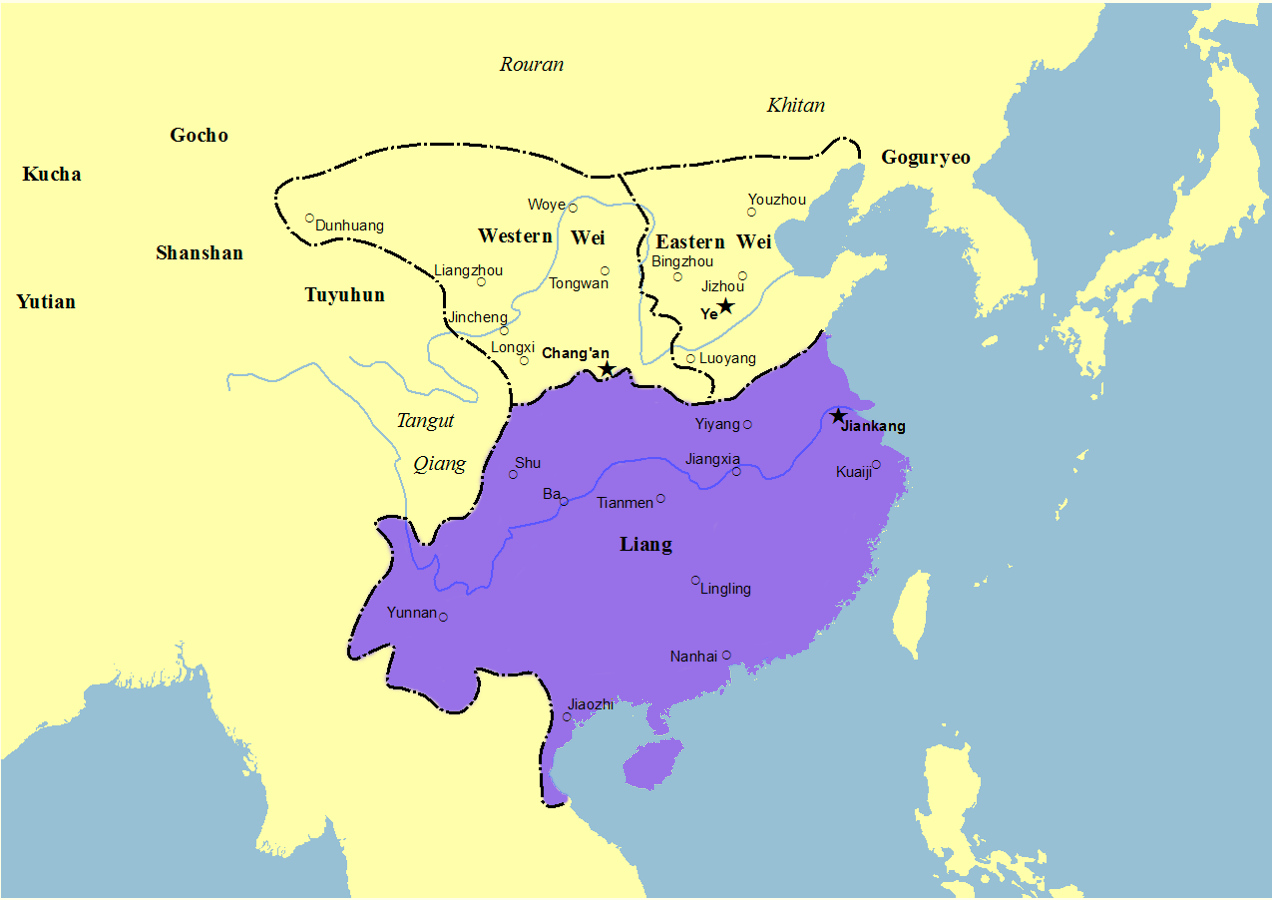
- Founded by Emperor Wu of Liang.
- Located in present-day Nanjing.
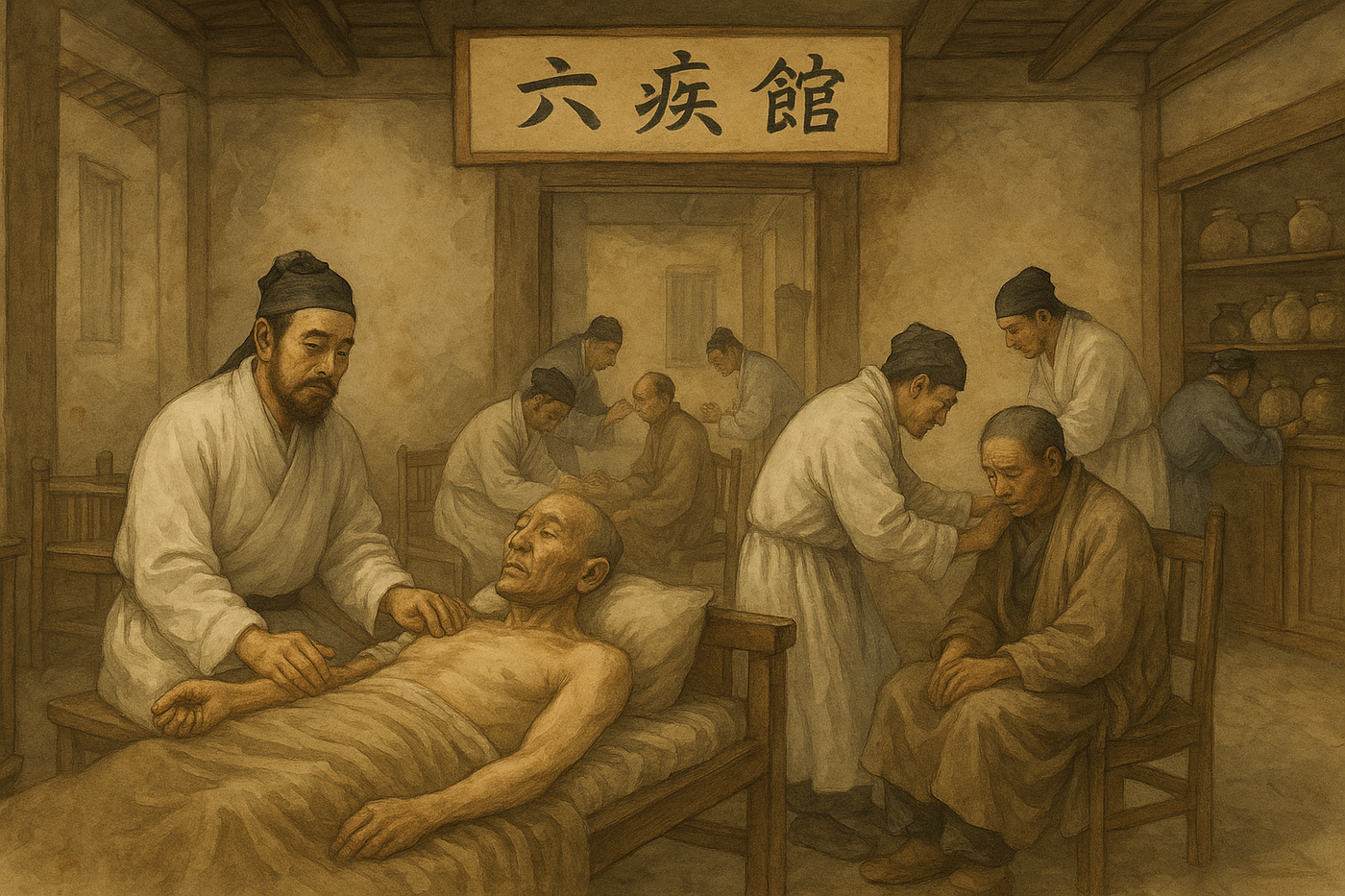
- Known as a guduyuan (孤独园) — literally “Garden of the Lonely.”
- Served:
- Orphaned children
- Elderly without family support
- Provided:
- Food
- Clothing
- Shelter
- Funerary rites for elderly residents
- Inspired by Buddhist compassion principles emphasizing care for the vulnerable.
Significance:
This represents one of the earliest documented state-sponsored residential welfare institutions combining orphan and elder care — centuries before large-scale European state welfare systems.
III. Medieval Expansion (600–1500)
Islamic World (7th–12th Centuries)
- Qur’anic mandates strongly protect orphans.
- Institutional orphanages were less common than:
- Household guardianship (kafala)
- Waqf (charitable endowments)
- Emphasis on integrating children into families rather than segregated institutions.
Western Europe: Foundling Hospitals


- Urban poverty increased child abandonment.
- Ospedale degli Innocenti (1419) became a model institution.
- Foundling wheels allowed anonymous infant surrender.
- Care model:
- Institutional infancy
- Later apprenticeship placement
IV. Early Modern Institutionalization (1500–1800)


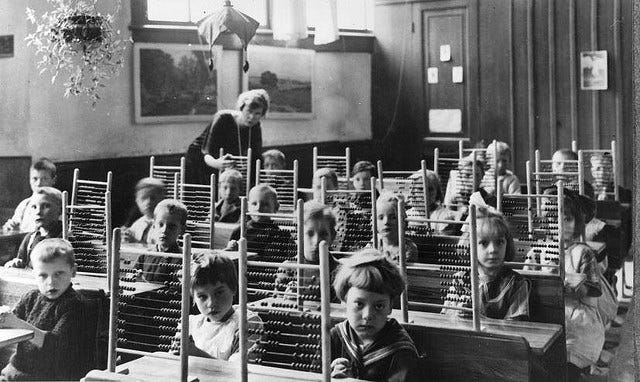
- Growth of urban orphan asylums.
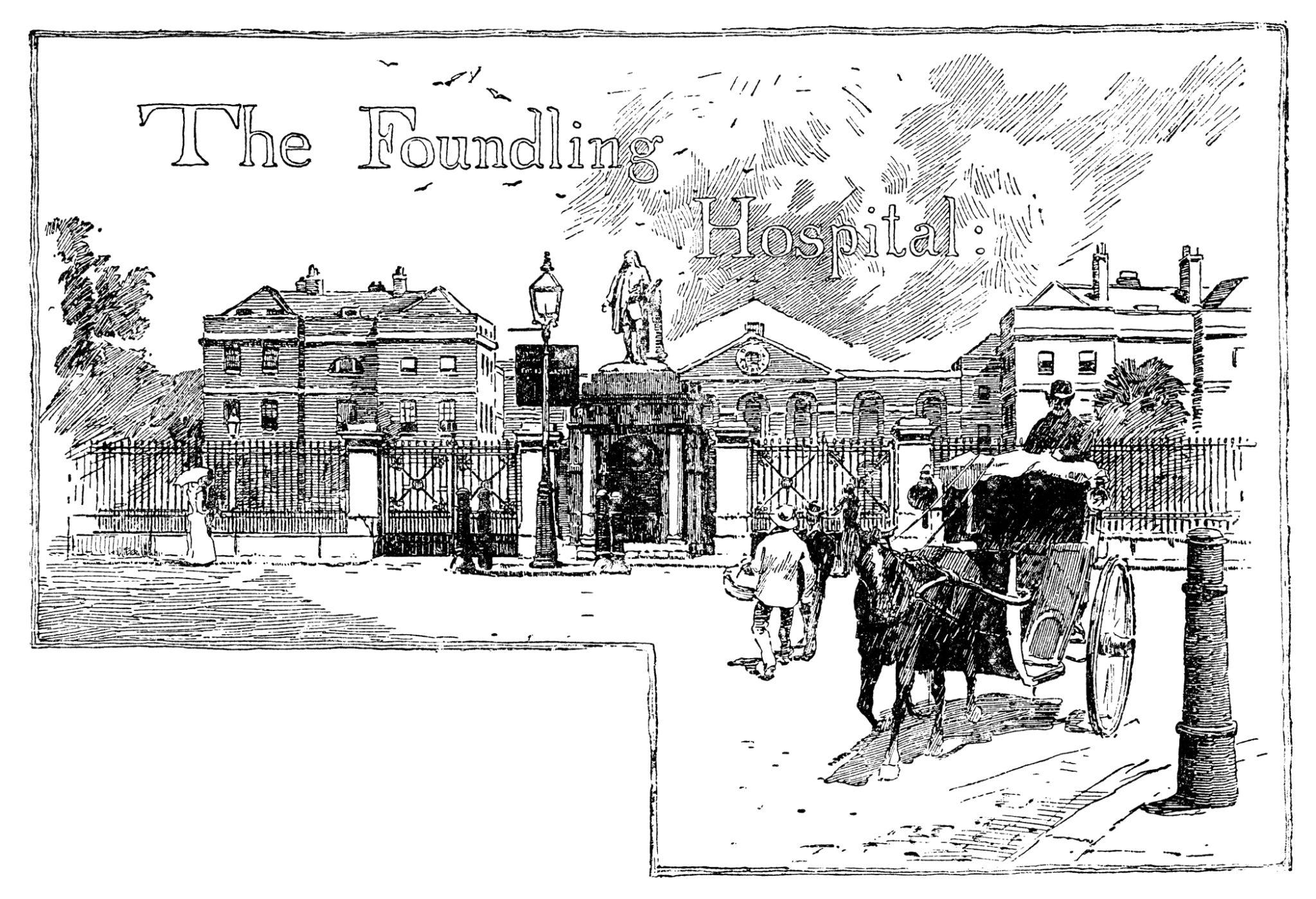
- Foundling Hospital (1739), founded by Thomas Coram.
- Increasing state involvement alongside church leadership.
- Institutional care tied to moral reform and labor training.